Yingchen Xu

I recently completed my PhD in Computer Science at University College London (UCL), where I was part of the UCL DARK Lab and was advised by Edward Grefenstette and Tim Rocktäschel. During my PhD, I was also very fortunate to spend four amazing years at FAIR London, working with Yuandong Tian, Matteo Pirotta and Alessandro Lazaric. I also had a wonderful time at Sakana AI in Tokyo, working with Luke Darlow on active-vision world models.

My research focuses on deep reinforcement learning, world models, and LLM reasoning. Broadly, I am excited by the question of how intelligent agents can learn useful models of the world — models that support reasoning, planning, control, and generalization from limited experience.

Before my PhD, I studied CS and Math at Rice University, where I had the opportunity to work with Anshumali Shrivastava and Beidi Chen. I also spent time as an ML engineer at Airbnb, and briefly explored computational cognitive science at Stanford Causality in Cognition Lab with Tobias Gerstenberg. These experiences shaped my interest in intelligence from multiple angles: learning, reasoning, decision-making, and human cognition.

CV | Research Statement


Research Vision

My research studies how learning systems can acquire internal models of the world that support reasoning, planning, and generalization from limited experience. Humans do this naturally, whereas many modern learning systems—despite impressive gains from large-scale optimization—remain fragile when observations are partial, interaction is expensive, or task objectives change.

I focus on world models as a framework for understanding this gap, particularly in settings where information is limited, costly, or biased. Much of my work addresses the practical bottlenecks that arise when world models are used for decision-making in realistic environments, including data collection without rewards, long-horizon reasoning, and high-dimensional control. More broadly, I am interested in how learning under information constraints shapes the representations that models acquire, and how this can lead to improved robustness, generalization, and sample efficiency.


Publications

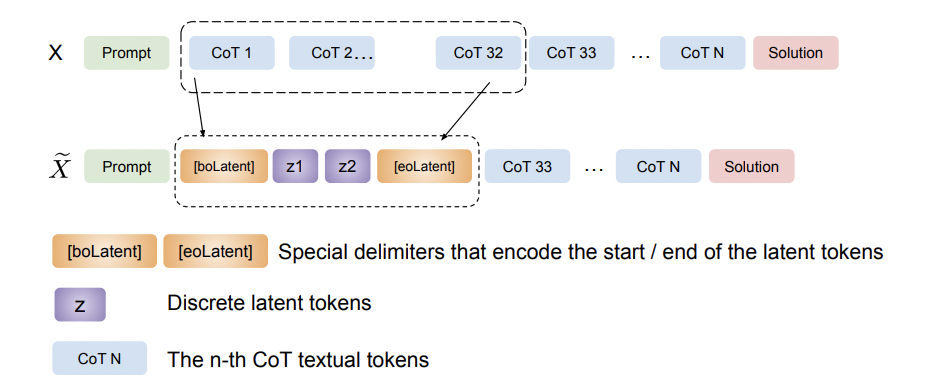
Token Assorted: Mixing Latent and Text Tokens for Improved Language Model Reasoning
D. Su, H. Zhu, Y. Xu, J. Jiao, Y. Tian, Q. Zheng
ICML 2025


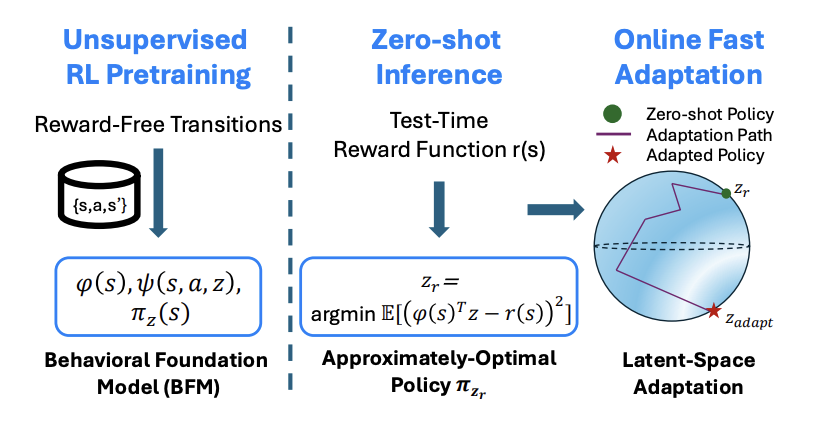
Fast Adaptation with Behavioral Foundation Models
H. Sikchi, A. Tirinzoni, A. Touati, Y. Xu, A. Kanervisto, S. Niekum, A. Zhang, A. Lazaric, M. Pirotta
RLC 2025


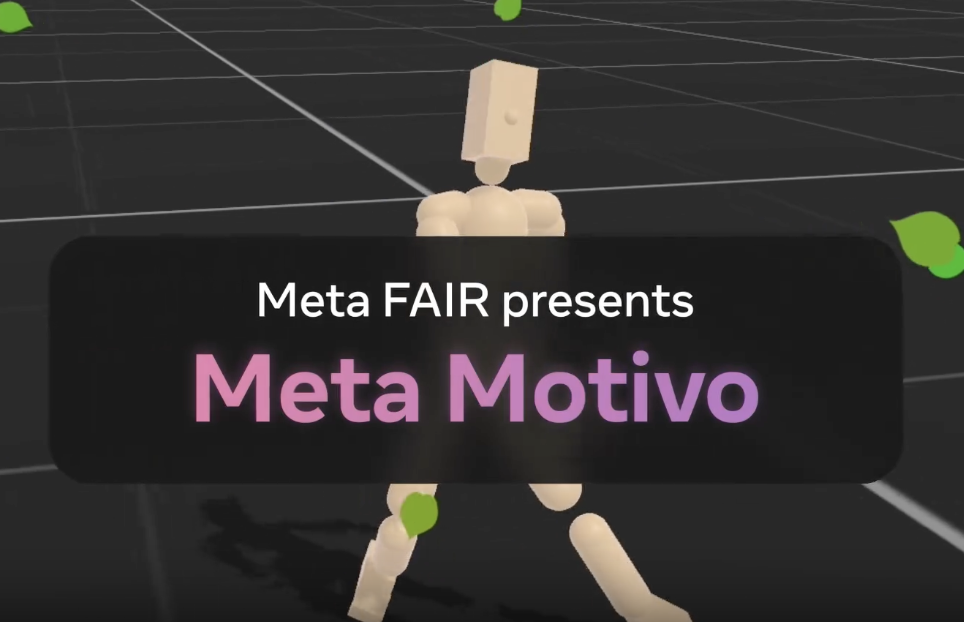
Meta Motivo: Zero-Shot Whole-Body Humanoid Control via Behavioral Foundation Models
A. Tirinzoni, A. Touati, J. Farebrother, M. Guzek, A. Kanervisto, Y. Xu, A. Lazaric, M. Pirotta
ICLR 2025


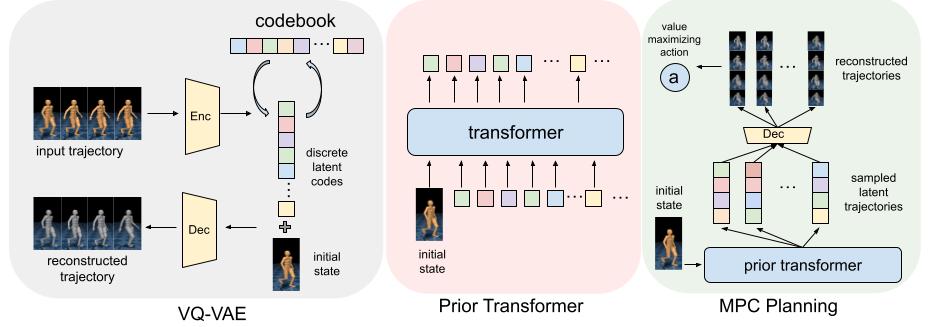
H-GAP: Humanoid Control with a Generalist Planner
Z. Jiang*, Y. Xu*, N. Wagener, Y. Luo, M. Janner, E. Grefenstette, T. Rocktäschel, Y. Tian
ICLR 2024 Spotlight


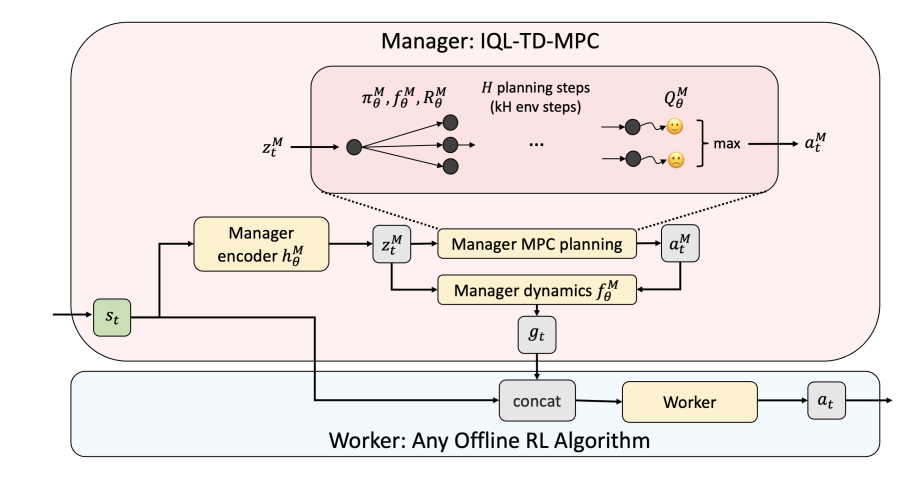
IQL-TD-MPC: Implicit Q-Learning for Hierarchical Model Predictive Control
R. Chitnis*, Y. Xu*, B. Hashemi, L. Lehnert, U. Dogan, Z. Zhu, O. Delalleau
ICRA 2024


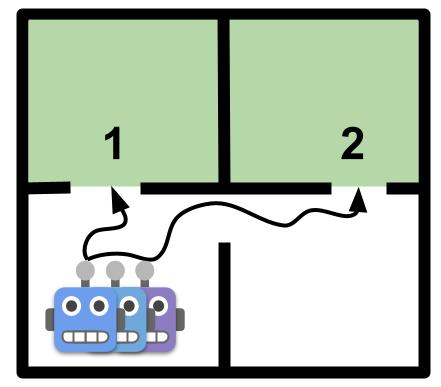
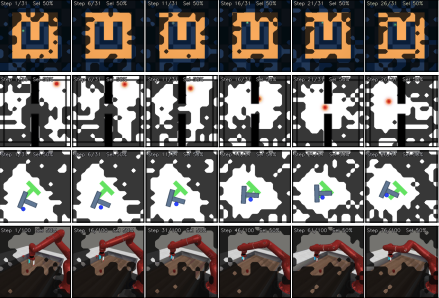
Learning General World Models in a Handful of Reward-Free Deployments
Y. Xu*, J. Parker-Holder*, A. Pacchiano*, P. J. Ball*, O. Rybkin, S. J. Roberts, T. Rocktäschel, E. Grefenstette
NeurIPS 2022


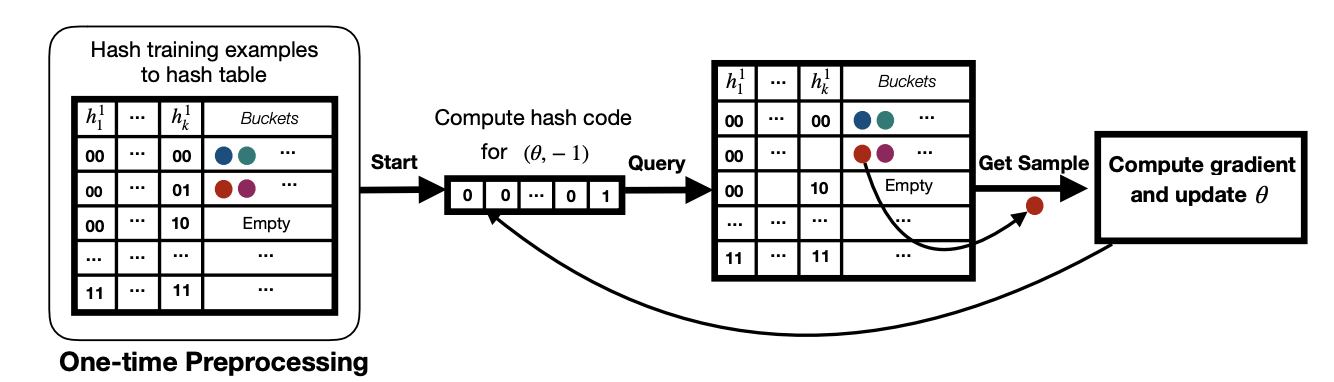
LGD: Fast and Accurate Stochastic Gradient Estimation
B. Chen, Y. Xu, A. Shrivastava
NeurIPS 2019


Looking into the past: Eye-tracking mental simulation in physical inference
A. Beller, Y. Xu, S. Linderman, T. Gerstenberg
Cognitive Science 2022